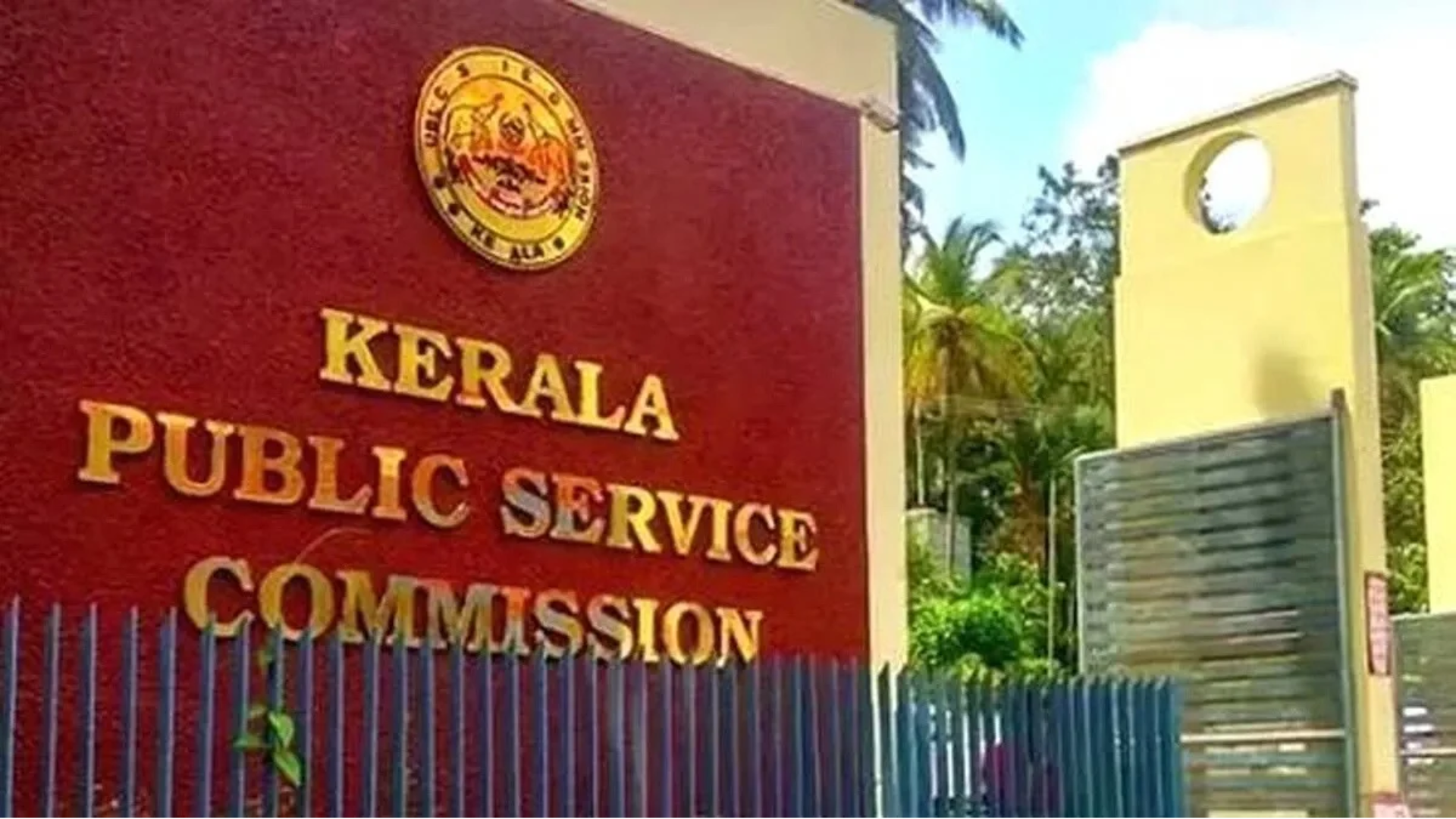
Why Is LDC Called the “IAS of the Poor”? The Real Story Behind Kerala’s Most Loved Government Job
Walk into almost any tea shop in Kerala during competitive exam season, and you might hear someone say, “Avan LDC-ku padikkukayanu ” — he is preparing for the LDC exam.
Everyone seems to understand what that means. For many families, the Kerala PSC LDC exam represents much more than an opportunity to secure a government job. It represents financial stability, social recognition and the possibility of building a better future.
That is why the Lower Division Clerk (LDC) post is popularly called the “IAS of the poor.”
But why has this expression become so popular? Is the LDC post really comparable to the Indian Administrative Service (IAS), or is the nickname more about the hopes and ambitions of ordinary families?
In this guide, we explore the reasons behind the comparison, the LDC eligibility criteria, salary, selection process, exam pattern and preparation strategies that can help aspirants work towards their goal.
What Is an LDC?
LDC stands for Lower Division Clerk, also known as LD Clerk. It is a clerical position recruited through the Kerala Public Service Commission (Kerala PSC) for eligible government departments and offices.
The responsibilities of an LDC may include:
- Maintaining files and official records.
- Preparing and handling correspondence.
- Assisting with routine administrative work.
- Supporting senior officers with clerical tasks.
- Helping process documents and office-related information.
Although it is an entry-level clerical position, an LDC appointment can be an important milestone for someone seeking a stable government career.
7 Reasons Why LDC Is Called the “IAS of the Poor”
1. The Educational Qualification Makes It Accessible
One of the main reasons behind the nickname is the relatively accessible educational qualification.
Under the previous general Kerala PSC LDC notification, Category No. 503/2023, candidates needed to pass SSLC or possess an equivalent recognised qualification.
This meant that eligible candidates did not necessarily need a university degree to pursue this opportunity.
For students from financially modest backgrounds, this can make a meaningful difference. They can begin preparing for a competitive government examination without first completing a degree.
Important: Candidates must check the latest official notification for the educational qualification, age limit and other eligibility conditions applicable to their recruitment cycle.
2. The Competition Is Extremely Intense
The Kerala PSC LDC exam attracts a large number of aspirants from different educational and economic backgrounds.
Candidates spend months preparing, revising previous question papers, attending mock tests and competing for a place on the district rank list.
This level of competition is one reason people compare LDC preparation with civil services preparation.
However, the examination structures and recruitment processes are different. The comparison mainly reflects the determination required and the importance of the result to candidates and their families.
3. Selection Follows a Formal Recruitment Process
For many aspirants, the appeal of Kerala PSC recruitment lies in its structured selection process.
The process generally involves an examination, the preparation of a shortlist or rank list, verification of eligibility and certificates, and advice for appointment against reported vacancies, as applicable to the notification.
Candidates prepare with the hope that their performance will help them secure a place on the rank list.
Nevertheless, being included in a rank list does not automatically guarantee an appointment. Actual recruitment depends on factors such as vacancies, rank position, reservation rules and the applicable PSC procedures.
4. Government Employment Offers Greater Stability
Job stability is another major reason why many candidates aspire to become LDCs.
Compared with some forms of temporary or irregular employment, a regular government appointment can offer a more predictable income and established service benefits.
Depending on the applicable service rules, employees may receive salary increments, allowances, leave benefits and other employment benefits.
For families managing uncertain incomes, this stability can support long-term financial planning and reduce uncertainty about the future.
5. The Salary Can Make a Meaningful Difference
The LDC salary in Kerala is another important factor attracting applicants.
The previous recruitment information cited in this guide lists a pay scale of ₹26,500–₹60,700, in addition to applicable allowances.
The actual salary and benefits depend on the relevant government pay rules, department, appointment conditions and any subsequent revisions.
For eligible candidates entering government service early in their careers, regular earnings can provide an opportunity to contribute to household expenses, save money and plan for future goals.
6. The Social Recognition Matters
In Kerala, a government job is often associated with responsibility, stability and social recognition.
For some families, an LDC appointment represents the outcome of years of preparation and personal sacrifice. It can also encourage other family members to consider competitive examinations.
This emotional significance helps explain why the post is compared with prestigious careers such as the IAS, even though the responsibilities, authority and career structures are very different.
7. The Rank List Keeps Aspirants Motivated
The publication of a Kerala PSC rank list is an important moment for candidates who have invested time and effort in preparation.
Aspirants follow rank-list updates, discuss district-wise recruitment and wait for information about appointments.
The possibility of securing a government position encourages many candidates to continue studying even when the competition feels difficult.
However, candidates should understand that rank-list inclusion and appointment are separate stages. The outcome depends on the relevant recruitment rules and the vacancies reported during the list's validity.
LDC vs IAS: Understanding the Difference
The phrase “IAS of the poor” describes the aspirations associated with the LDC post. It does not mean that LDC and IAS are equivalent positions.
The comparison is therefore about opportunity, ambition and the potential impact of securing a stable career — not equal authority, salary or responsibilities.
For an eligible candidate who wants to enter government service without a university degree, the LDC examination may represent an important opportunity.
Kerala PSC LDC Eligibility: What Should You Check?
Candidates interested in the Kerala PSC LDC notification should carefully read the official recruitment advertisement before applying.
The previous general notification, Category No. 503/2023, specified the following details:
- Educational qualification: SSLC or an equivalent qualification.
- Age limit: 18–36 years under the conditions of that notification, with applicable relaxations for eligible categories.
- Application method: Online application through the Kerala PSC profile.
- Recruitment authority: Kerala Public Service Commission.
These are details from the previous recruitment cycle, not a confirmation of the eligibility requirements for the next notification.
Before applying, verify the following:
- Minimum and maximum age limits.
- Educational qualifications.
- Applicable age relaxations.
- District and category details.
- Application and confirmation deadlines.
- Examination requirements and syllabus.
Visit the official Kerala PSC website at www.keralapsc.gov.in for the latest notification and recruitment instructions.
How Tough Is the Kerala PSC LDC Exam?
The difficulty of the Kerala PSC LDC exam depends on the examination cycle, the syllabus, the level of questions and the performance of candidates.
District-wise competition can also vary. A score that is sufficient in one recruitment cycle may not be sufficient in another.
Candidates should therefore avoid relying entirely on old cut-off marks when setting their targets.
Previous question papers and official shortlist information can help aspirants understand the examination and evaluate their preparation. Mock-test scores are useful for measuring progress, but they cannot guarantee a particular rank or appointment.
A better approach is to focus on improving accuracy, strengthening weak subjects and revising consistently.
Kerala PSC LDC Selection Process
The exact process must be confirmed from the applicable notification. In general, candidates should be prepared for the following stages where applicable.
Step 1: Complete One-Time Registration
Create or update your profile through the official Kerala PSC website. Ensure that your personal details, educational qualifications and other required information are accurate.
Step 2: Apply for the Notification
Submit the online application for the relevant recruitment category within the specified deadline.
Step 3: Complete Examination Confirmation
If the notification requires examination confirmation, complete it within the prescribed period. Missing a mandatory confirmation deadline may prevent you from attending the examination.
Step 4: Attend the Examination
Prepare according to the official syllabus and examination instructions. Check the admission ticket and follow all directions issued by Kerala PSC.
Step 5: Check the Shortlist and Rank List
Follow official announcements to find out whether you have qualified for the next stage or been included in the applicable list.
Step 6: Complete Document Verification
Keep the required certificates and supporting documents ready. The documents required will depend on the notification and your circumstances.
Step 7: Wait for Advice and Appointment
Candidates may be advised for appointment as vacancies are reported and according to the applicable rules. Rank-list inclusion alone does not guarantee a job.
Kerala PSC LDC Exam Pattern and Syllabus
A clear understanding of the LDC exam pattern and syllabus helps candidates organise their preparation effectively.
The previous exam-pattern information cited in this draft describes an objective OMR examination with 100 questions, 100 marks, a duration of 1 hour and 15 minutes, and negative marking for incorrect answers.
These details must be checked against the official examination programme and syllabus applicable to your recruitment cycle before you begin preparation.
The subjects commonly associated with SSLC-level PSC preparation include:
- General Knowledge and Current Affairs: Important events, Kerala, India and the wider world.
- Kerala Renaissance and Social History: Social reformers and significant historical developments.
- Indian Constitution and Civics: Fundamental rights, constitutional institutions and governance.
- General Science: Basic concepts from science and everyday applications.
- Arithmetic and Mental Ability: Numerical operations, reasoning and problem-solving.
- English: Grammar, vocabulary and comprehension.
- Malayalam: Language skills and grammar, where included in the applicable syllabus.
- Information Technology: Basic computer and IT awareness, where prescribed.
The list above is a general preparation overview, not a substitute for the official syllabus. Subject coverage, question distribution and marking rules can vary.
Preparation tip: Download the latest official syllabus and use it as your main checklist. Avoid relying on an old syllabus simply because it was used in a previous examination.
LDC Salary, Benefits and Career Growth
The possibility of a regular income is one of the strongest attractions of the LDC post.
The previous pay scale cited in this guide is ₹26,500–₹60,700. The applicable scale, allowances and service conditions must be verified against the relevant official notification and current government rules.
Depending on the appointment and applicable service provisions, employees may receive benefits such as:
- Regular salary and eligible allowances.
- Increment opportunities under service rules.
- Leave entitlements.
- Access to applicable government employee benefit schemes.
- Opportunities for promotion, subject to departmental rules.
What Are the Career Growth Opportunities?
LDC is an entry-level clerical position in the relevant service structure. Career progression depends on the department, eligibility requirements, seniority, examinations and applicable promotion rules.
Some employees may progress to higher clerical or supervisory positions where permitted by their service rules. Others may pursue additional qualifications or prepare for other competitive examinations.
Candidates should check the relevant department's service rules rather than assuming that every employee follows the same promotion pathway.
How to Prepare for the Kerala PSC LDC Exam
A structured study plan can make preparation more manageable, especially for candidates balancing studies, employment or family responsibilities.
If You Have 6–12 Months to Prepare
Month 1: Understand the syllabus
- Download the official syllabus.
- Collect previous question papers.
- Take a diagnostic mock test.
- Identify your strong and weak subjects.
Months 2–4: Build Your Foundation
- Study general knowledge and Kerala history.
- Cover the prescribed topics in the Indian Constitution.
- Revise general science and other static subjects.
- Prepare short notes for regular revision.
Months 5–6: Strengthen Your Skills
- Practise arithmetic and mental ability regularly.
- Improve English and Malayalam skills where relevant.
- Review difficult topics.
- Begin taking timed practice tests.
Throughout Preparation: Follow Current Affairs
Set aside time to study current affairs and revise important information. Use reliable sources and maintain concise notes.
During the Final Two Months: Focus on Revision
- Attempt full-length mock tests regularly.
- Review every incorrect answer.
- Revisit weak topics.
- Practise time management.
- Learn to avoid unnecessary guesses when negative marking applies.
Adjust this plan to the examination date, your existing knowledge and the official syllabus.
Study Habits That Can Improve Your Preparation
1. Maintain a Realistic Timetable
A consistent study routine is more useful than an unrealistic schedule that is difficult to maintain. Choose daily targets that fit your circumstances.
2. Practise Previous Question Papers
Previous papers help you understand the question style, identify recurring topics and assess your progress. Remember that past questions do not guarantee that the same questions will appear again.
3. Maintain a Mistake Notebook
Record questions you answered incorrectly and note why you made each mistake. Revisit these questions during weekly revision.
4. Take Mock Tests Seriously
Do more than check your score. Identify whether your mistakes came from weak concepts, careless reading, time pressure or incorrect guesses.
5. Revise Regularly
Reviewing what you have already learned helps reinforce important concepts and makes it easier to identify topics that need additional practice.
Common LDC Preparation Mistakes to Avoid
Even candidates who study regularly can lose valuable preparation time by making avoidable mistakes.
Watch out for these common problems:
- Starting preparation only after a new notification is published.
- Ignoring arithmetic or mental ability because the topics seem difficult.
- Memorising facts without revising them.
- Taking mock tests without reviewing mistakes.
- Guessing carelessly when negative marking applies.
- Following several study plans without completing any of them.
- Missing application or examination-confirmation deadlines.
- Depending on unofficial updates instead of checking Kerala PSC announcements.
The goal is not simply to study for more hours. It is to study consistently, understand the syllabus and use practice tests to improve.
When Will the Next Kerala PSC LDC Notification Be Released?
The previous general LDC notification discussed in this guide was published on 30 November 2023.
Predictions about a future notification should not be treated as official announcements. The next recruitment date, application window, eligibility criteria and examination schedule must be confirmed through Kerala PSC's official publications.
Candidates can use the waiting period productively by reviewing the syllabus, practising previous papers and maintaining an updated PSC profile.
Final Thoughts: Is LDC Worth Preparing For?
Why is LDC called the “IAS of the poor”?
The expression captures the hopes of people who see a government job as a path towards stability, independence and a better future for their families.
The LDC post is not equivalent to the IAS in authority, responsibilities or career structure. Yet, for an eligible candidate who wants to enter government service, it can represent an important opportunity.
Success requires patience, consistent preparation and a clear understanding of the official recruitment process. There is no guaranteed shortcut, and inclusion on a rank list does not automatically mean appointment.
Whether you are an SSLC-qualified candidate, a Plus Two student planning ahead or someone returning to competitive exam preparation, begin with the official syllabus and build a routine you can maintain.
Your preparation starts with one practical step: understand the syllabus, make a plan and begin today.
Frequently Asked Questions (FAQs)
1. Why is LDC called the IAS of the poor?
It is a popular expression that reflects the importance of a government job to many ordinary families. The LDC post has a comparatively accessible entry qualification under the relevant recruitment rules and can offer a stable career. It is not an official title and does not mean that LDC is equivalent to IAS.
2. Is LDC equal to IAS?
No. LDC is a clerical post, whereas IAS officers serve in a higher administrative service with different responsibilities, recruitment requirements and career structures.
3. What is the qualification for Kerala PSC LDC?
The previous general notification discussed in this article accepted SSLC or an equivalent qualification. Candidates must check the latest notification for the requirements that apply to their recruitment cycle.
4. What is the age limit for Kerala PSC LDC?
The previous general notification specified an age range of 18–36 years, with applicable relaxations. The exact birth-date conditions and relaxations must be verified against the current notification.
5. What is the LDC salary in Kerala?
The previous pay scale cited in this article is ₹26,500–₹60,700, plus applicable allowances. Confirm the current official pay scale and service conditions before relying on these figures.
6. Is there an interview for the LDC exam?
The recruitment process described in the previous general LDC cycle centred on the examination, shortlist or rank list, document verification and advice for appointment. Candidates should check the latest notification for the applicable selection procedure.
7. What is the Kerala PSC LDC exam pattern?
The previous pattern cited in this draft describes an objective OMR examination with 100 questions, 100 marks and a duration of 75 minutes. Verify the current examination instructions for the number of questions, duration and negative-marking rules.
8. How many marks are needed to qualify for the LDC rank list?
There is no single cut-off that applies to every district and recruitment cycle. The qualifying requirements and shortlist criteria depend on the applicable examination and official PSC announcements.
9. How long is the LDC rank list valid?
The validity of a rank list depends on the relevant Kerala PSC rules and official notification. Check the specific list and its official validity information rather than relying on a general duration.
10. When will the next LDC notification be released?
The release date should be confirmed through official Kerala PSC announcements. Predictions made by coaching or preparation websites are not confirmed recruitment dates.
11. Is One-Time Registration required?
Kerala PSC's One-Time Registration system is used to create a candidate profile and apply for relevant notifications. Follow the current official instructions for registration, applications and any required examination confirmation.
12. Can I prepare for LDC without coaching?
Yes. Candidates can prepare independently using the official syllabus, reliable study materials, previous question papers and mock tests. Coaching may help some students who prefer structured guidance, but the best approach depends on individual needs and study habits.
13. Can I prepare for LDC and other Kerala PSC examinations together?
Some subjects overlap across PSC examinations, particularly general knowledge, history, Constitution and mental ability. However, eligibility, syllabuses and examination patterns can differ, so prepare according to the requirements of each examination.
Disclaimer: This FAQ is for general guidance. Exam details can change, so please verify everything against the official Kerala PSC notification.
CONTACT US